Written by: MYMDPHONE Editorial TeamMedically reviewed by: Lakhbir Madahar, MD Board-Certified Internal Medicine Physician · NPI 1780119834
Clinical experience in hospital medicine, intensive care, primary care and telemedicine
Last medically reviewed: 2026-09-18
MYMDPHONE availability: Virtual care is available to eligible patients who are physically located in Nevada, Alaska or New York at the time of the visit. Nevada patients may use eligible insurance coverage or the $79 self-pay option. Alaska and New York visits are $79 self-pay. Availability, insurance coverage and the appropriate care setting vary by patient and condition.Type 2 diabetes is a chronic condition where the body struggles to properly regulate blood sugar due to insulin resistance or inadequate insulin production. Effective management is vital to keep blood glucose within target levels, reduce the risk of complications, and promote overall health. This article outlines the essentials of type 2 diabetes treatment, including diagnosis, lifestyle strategies, medication options, monitoring needs, emergency signs, and how telemedicine can support care.
Quick Summary Type 2 diabetes results from the body’s impaired ability to use insulin, leading to elevated blood sugar. Early stages often have no obvious symptoms. Treatment requires a combination of healthy lifestyle adjustments, medications tailored by a healthcare provider, and regular monitoring to avoid complications. Telemedicine services provide convenient access to routine diabetes care and follow-up when direct in-person visits are not essential.
Understanding Type 2 Diabetes and Its Treatment In type 2 diabetes, the body’s cells become less responsive to insulin, a hormone that helps glucose enter cells for energy. Over time, the pancreas may also produce less insulin. This imbalance causes blood glucose to rise above normal levels, termed hyperglycemia.
Diagnosis is based on specific laboratory tests that measure blood sugar, including fasting plasma glucose (FPG), glycated hemoglobin (HbA1c), and oral glucose tolerance test (OGTT). An HbA1c of 6.5% or higher commonly confirms diabetes but usually requires repeat testing for accuracy unless there is severe hyperglycemia with symptoms. Confirming diagnosis is important to guide effective treatment.
Symptoms Many individuals with type 2 diabetes experience no symptoms initially. When present, symptoms may include increased thirst, frequent urination, blurred vision, or slow-healing wounds. However, these signs are not specific to diabetes and do not alone confirm the condition, highlighting the importance of proper testing.
Causes and Risk Factors Type 2 diabetes develops due to a combination of insulin resistance and insufficient insulin production. Several factors influence risk:
Non-modifiable factors: Age over 45, family history of diabetes, and certain ethnicities (e.g., African American, Hispanic, Native American).Modifiable factors: Overweight or obesity, sedentary lifestyle, unhealthy diet, smoking, and high blood pressure.Diagnosis To diagnose type 2 diabetes, healthcare providers evaluate blood glucose through trusted tests: fasting plasma glucose, HbA1c, or oral glucose tolerance test. Repeated or confirmatory testing is typically required except when blood sugar is clearly very high combined with classic symptoms. Patient history and risk factors also help guide diagnosis and management.
Treatment Options The goal of treatment is to maintain blood sugar levels within a target range personalized by a healthcare provider, reduce cardiovascular risks, and prevent complications. Treatment plans consider blood sugar severity, patient age, cardiovascular and kidney health, and other medical conditions.
Lifestyle Treatment Eating a balanced diet emphasizing vegetables, whole grains, lean proteins, and healthy fats while limiting added sugars and processed foods. Engaging in regular physical activity as recommended based on individual ability. Achieving and maintaining a healthy weight. Avoiding tobacco use and limiting alcohol consumption. Lifestyle modifications are foundational and improve overall well-being, although many patients may require medication alongside these changes.
Medication Treatment If blood sugar targets are not met with lifestyle changes alone, pharmacologic therapy may be added. Medications include:
Metformin: Often the first prescribed drug; it decreases glucose output from the liver.Sulfonylureas and other insulin secretagogues: Stimulate insulin release from the pancreas.GLP-1 receptor agonists and SGLT2 inhibitors: Newer options that lower glucose and may provide heart and kidney protection.Insulin therapy: Used in advanced cases or when other treatments are insufficient.Medication choice depends on kidney function, cardiovascular disease, hypoglycemia risk, side effects, cost, and patient preferences and must be personalized by a clinician.
Monitoring and Follow-Up Ongoing monitoring is essential for safe and effective management, including:
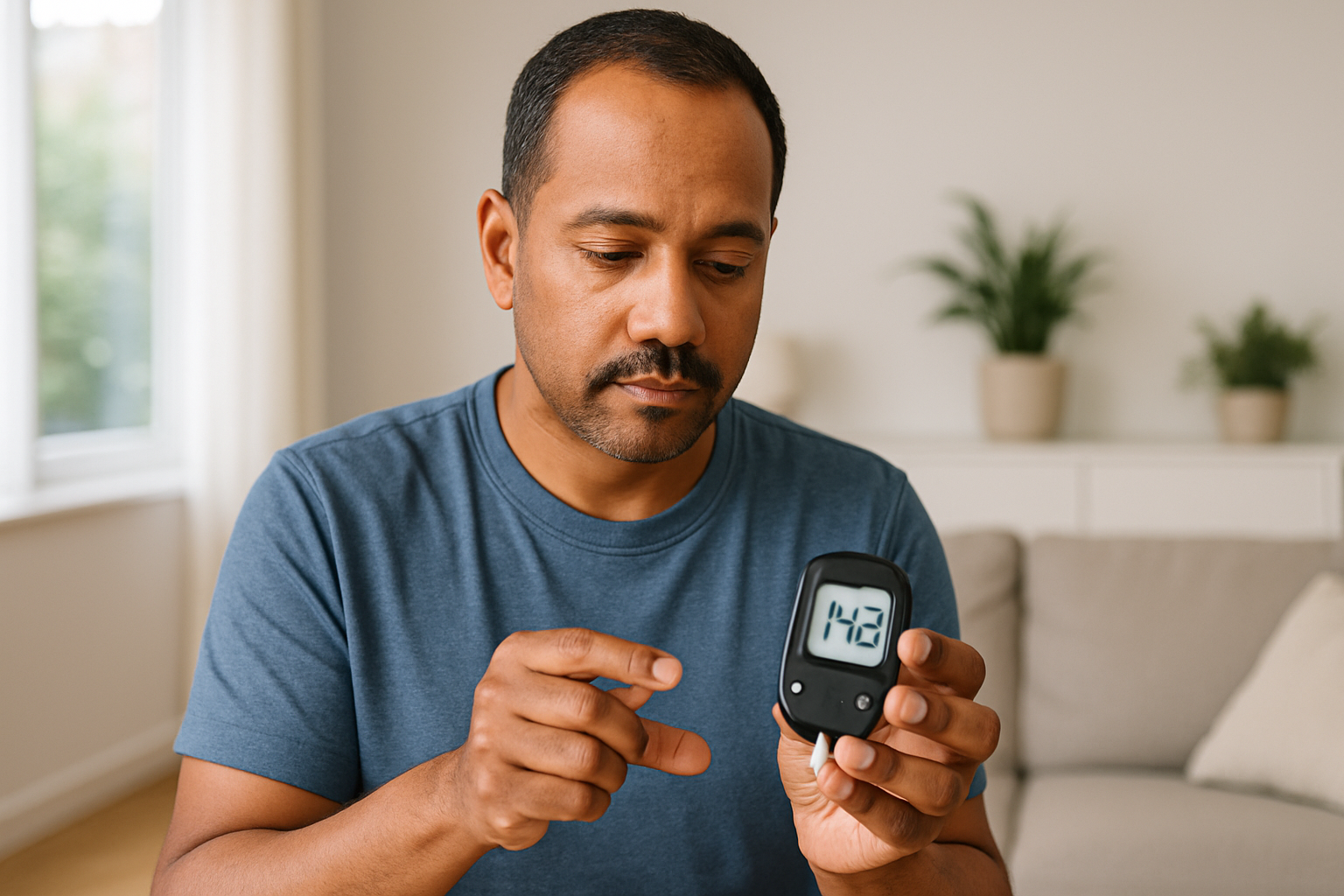
Periodic HbA1c testing every 3 to 6 months to assess overall blood glucose control. Home blood sugar monitoring when recommended by a healthcare provider. Screening for diabetes-related complications affecting eyes, kidneys, nerves, and cardiovascular system. Regular follow-up visits for treatment assessment and adjustment. Lifestyle and Self-Care Patients can support their treatment through meal planning, staying active, stress management, adhering to prescribed therapies, and understanding when to seek medical advice. While self-care enhances outcomes, it complements but does not replace professional medical evaluation.
When to Seek Emergency Care Immediate medical attention is needed for severe or urgent signs such as:
Confusion, difficulty staying awake, or altered mental state. Loss of consciousness or seizures. Persistent vomiting or inability to keep fluids down. Rapid, deep, or difficult breathing. Severe dehydration or pronounced weakness. These may indicate diabetic emergencies like diabetic ketoacidosis or severe hypoglycemia and require prompt evaluation.
Telemedicine for Type 2 Diabetes Treatment Telemedicine offers a practical option for routine management of type 2 diabetes, including reviewing symptoms, medication adjustments, education, and monitoring coordination. MYMDPHONE telemedicine doctors, including Dr. Lakhbir Madahar, provide virtual visits that can assess home blood sugar logs, order lab tests, and guide management remotely.
However, telemedicine does not replace in-person care when physical examination, advanced diagnostic testing, or emergency intervention is necessary.
MYMDPHONE serves patients in Nevada, Alaska, and New York, offering convenient virtual care 24/7 with $79 cash pay visits and insurance options for eligible Nevada patients.
Start a MYMDPHONE Visit for Type 2 Diabetes Treatment: Managing High Blood Sugar Effectively Connect with a virtual doctor for personalized diabetes care. MYMDPHONE offers flexible telemedicine visits available 24/7 in Nevada, Alaska, and New York. Visits are $79 cash pay, with insurance coverage options for eligible Nevada patients. Treatment and prescriptions are provided only when clinically appropriate.
Start Your Type 2 Diabetes Treatment: Managing High Blood Sugar Effectively Visit Online
Related services: online doctor in Nevada , telemedicine care in Alaska , and virtual doctor in New York .
For more information, visit NIDDK — Type 2 Diabetes and CDC — About Type 2 Diabetes .
Key Takeaways Type 2 diabetes occurs due to the body’s reduced response to insulin and/or decreased insulin production, leading to elevated blood sugar. Treatment combines healthy lifestyle habits and personalized medication regimens to manage blood glucose and reduce complications. Regular monitoring and follow-up visits are essential to evaluate treatment effectiveness and prevent long-term issues. Telemedicine provides accessible support for routine diabetes management but does not substitute for emergency or immediate in-person care. Frequently Asked Questions What are the common symptoms of type 2 diabetes? Many people with type 2 diabetes have no symptoms at first. Possible signs include increased thirst, frequent urination, blurred vision, or slow-healing wounds, but these do not confirm diagnosis and require proper testing.
How is type 2 diabetes diagnosed? Diagnosis relies on blood tests such as fasting plasma glucose, HbA1c, or oral glucose tolerance tests. Confirmatory testing is typically done unless blood sugar is very high with classic symptoms.
Can type 2 diabetes be managed without medication? Lifestyle changes like a healthy diet and regular exercise are important for all patients, but many will require medication to reach blood sugar goals. Medication decisions should be individualized by a healthcare provider.
How often should blood sugar be monitored? Monitoring frequency varies based on treatment plans and clinical circumstances. Some patients check daily; others less frequently. Your clinician will advise on what is appropriate for you.
Is telemedicine suitable for managing type 2 diabetes? Telemedicine can support routine management, medication reviews, and education but does not replace in-person visits when physical exams, lab tests, or emergency care are needed.
Medical Disclaimer This content is for general educational purposes and is not a substitute for individualized medical advice, diagnosis, or treatment. Reading this page does not establish a physician-patient relationship. If you may be experiencing a medical emergency, call 911 or go to the nearest emergency department.
References American Diabetes Association – Standards of Medical Care in Diabetes Centers for Disease Control and Prevention – About Type 2 Diabetes National Institute of Diabetes and Digestive and Kidney Diseases – Type 2 Diabetes American Association of Clinical Endocrinology – Type 2 Diabetes Guidelines NIDDK — Type 2 Diabetes CDC — About Type 2 Diabetes Editorial disclosure: AI-assisted tools supported drafting and organization. Lakhbir Madahar, MD reviewed and approved the clinical content in this exact version.