Written by: MYMDPHONE Editorial TeamMedically reviewed by: Lakhbir Madahar, MD Board-Certified Internal Medicine Physician · NPI 1780119834Clinical experience in hospital medicine, intensive care, primary care and telemedicine
Last medically reviewed: 2026-09-18
MYMDPHONE availability: Virtual care is available to eligible patients who are physically located in Nevada, Alaska or New York at the time of the visit. Nevada patients may use eligible insurance coverage or the $79 self-pay option. Alaska and New York visits are $79 self-pay. Availability, insurance coverage and the appropriate care setting vary by patient and condition.Athletes foot, medically known as tinea pedis, is a fungal infection that commonly affects the skin between the toes and soles of the feet. Proper athletes foot treatment involves antifungal therapies and maintaining good foot hygiene to control symptoms and prevent spread. This article covers the causes, symptoms, diagnosis, treatment options, and how MYMDPHONE telemedicine services can support your care.
Quick Summary Athletes foot is a fungal infection of the foot skin caused by dermatophyte fungi thriving in warm, moist environments. Symptoms include itching, redness, peeling, and cracking skin. Treatment generally involves topical antifungal medications and good foot hygiene. MYMDPHONE telemedicine can provide evaluation, management advice, and prescription options when appropriate, with follow-up as needed.
What Patients Should Know About Athletes Foot Treatment Athletes foot is caused by dermatophyte fungi that infect keratin-containing tissue such as skin on the feet. This infection often occurs between the toes but may involve other foot areas. The fungi thrive in humid, warm conditions often found in shoes or communal moist areas like locker rooms and showers. Diagnosis is based on clinical examination of skin changes combined with patient history. In uncertain cases, skin scrapings examined under a microscope can help confirm the diagnosis by identifying fungal elements.
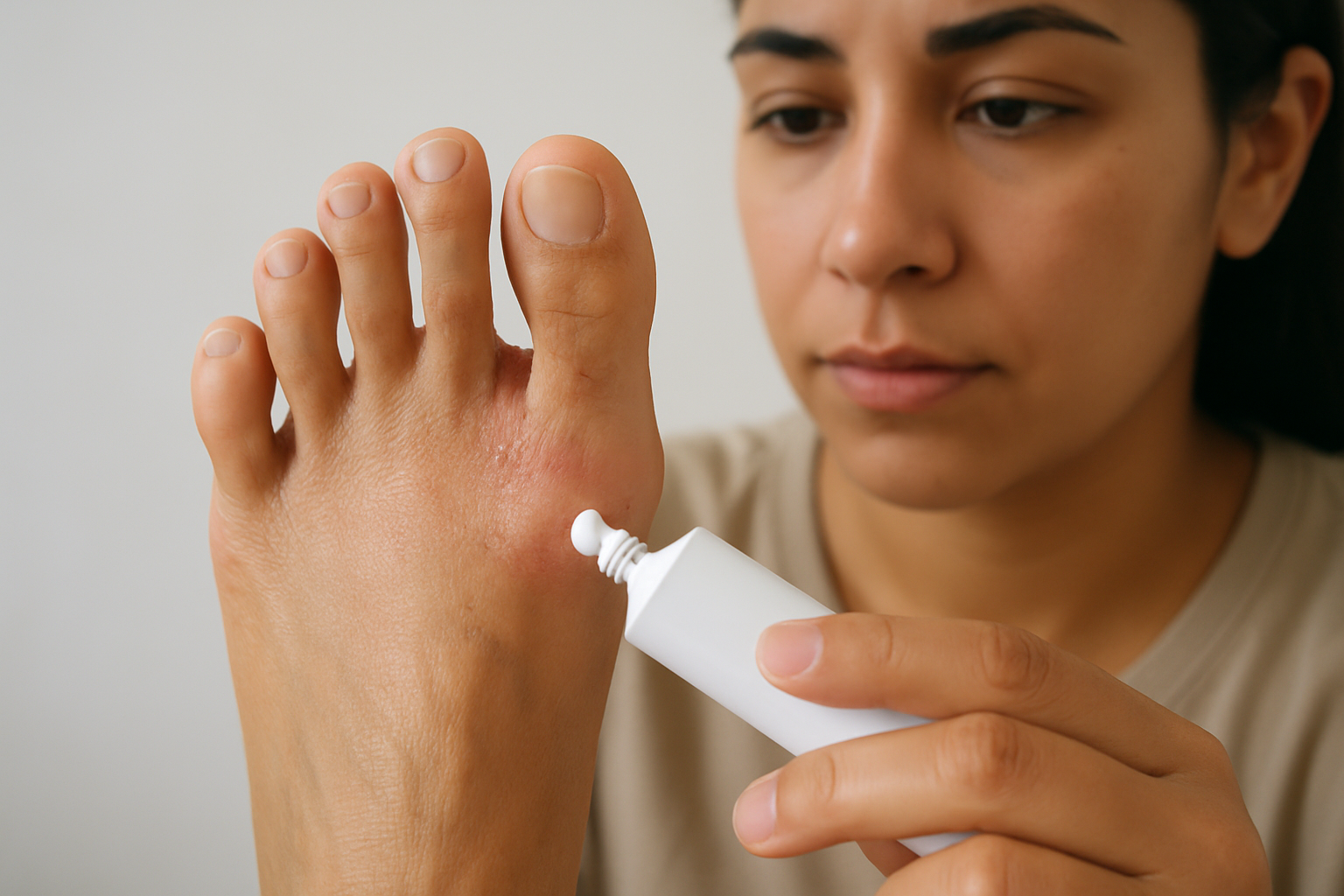
Symptoms The typical presentation includes itching, redness, scaling, and peeling skin located primarily between the toes but also extending to the soles or sides of the feet. The skin may also develop cracks or fissures, which can be uncomfortable. Some patients may notice blistering or a burning sensation. Symptom severity varies; some have mild irritation, while others experience more persistent discomfort. Symptoms are important for clinical diagnosis but must be assessed alongside physical examination.
Causes and Risk Factors Athletes foot results from infection with dermatophyte fungi that thrive in moist environments. These fungi are commonly present in places like gym locker rooms, public showers, and swimming pools.
Modifiable risk factors include:
Walking barefoot in communal damp areas Wearing tight, non-breathable, or damp footwear Poor foot hygiene or infrequent sock changes Sharing towels, footwear, or socks with others Non-modifiable risk factors involve health conditions that affect immunity such as diabetes or immunosuppression. Excessive foot sweating (hyperhidrosis) also increases risk by keeping skin moist.
How It Is Diagnosed Healthcare providers diagnose athletes foot based on characteristic skin changes and symptom reports during clinical examination. In uncertain or atypical cases, scraping the affected skin to examine for fungi under a microscope with potassium hydroxide (KOH) preparation can confirm diagnosis. Fungal cultures may be performed if diagnosis remains unclear or infections are resistant to treatment. Routine blood tests or imaging are not typically necessary.
Treatment Options Treatment focuses on eradicating the fungal infection and relieving symptoms through a combination of medications and lifestyle modifications. The approach depends on infection severity, extent, patient health, and response to prior treatments.
Lifestyle Treatment Good foot hygiene is essential. Patients should thoroughly dry feet after bathing, especially between toes, change socks daily, and wear breathable shoes that allow moisture evaporation. Avoiding walking barefoot in communal, damp places reduces exposure to fungi. Antifungal powders or sprays may help keep feet dry and prevent recurrence.
Medication Treatment Topical antifungal agents such as clotrimazole, terbinafine, miconazole, or tolnaftate are commonly used and generally effective for mild to moderate infections when applied as directed, usually for 2 to 4 weeks. More severe or widespread infections may require oral antifungal medications prescribed by a clinician. Medication choice and treatment duration should be individualized based on clinical assessment and patient factors.
Monitoring and Follow-Up Patients should complete the full course of prescribed antifungal therapy, even if symptoms improve earlier, to reduce the risk of recurrence. Healthcare providers may recommend follow-up visits if symptoms persist, worsen, or new areas become affected. Response to treatment is monitored through symptom improvement and skin healing. In some cases, additional tests or a referral to a specialist may be necessary.
Lifestyle and Self-Care Supporting treatment with daily foot care — including thorough drying of feet, alternating shoes to allow drying, avoiding sharing footwear or towels, and regularly inspecting feet for new or worsening signs — is important. These measures support recovery and limit fungal spread but do not replace professional medical evaluation and treatment.
When to Seek Emergency Care Athletes foot typically does not require emergency care. However, urgent medical evaluation is warranted if there are signs of bacterial infection such as increased redness, swelling, warmth, pain, pus discharge, or if systemic symptoms like fever develop. Severe pain or rapidly worsening skin changes also require prompt assessment.
Can Athletes Foot Treatment Be Evaluated Through Telemedicine? MYMDPHONE telemedicine services provide accessible options for evaluating mild to moderate athletes foot symptoms, offering expert advice, medication management, and patient education. Virtual doctors, including internal medicine physicians like Dr. Lakhbir Madahar, can assess your condition through video or online visits when there are no signs of severe infection or complications. Telemedicine may not replace necessary in-person exams when symptoms worsen or if diagnostic testing is needed.
For urgent concerns or signs of bacterial superinfection, immediate in-person care is recommended. MYMDPHONE also offers Virtual Urgent Care to assist when timely evaluation is needed.
Start a MYMDPHONE Visit for Athletes Foot Treatment MYMDPHONE offers telemedicine visits for athletes foot treatment to patients located in Nevada, Alaska, and New York. Our virtual doctors, including Dr. Lakhbir Madahar, provide evaluation, medication options, and education. Visits are $79 cash pay; insurance may be accepted for eligible patients in Nevada. Treatment and prescriptions are provided only when medically appropriate.
Start Your Athletes Foot Treatment Visit Online
Key Takeaways Athletes foot is a contagious fungal infection mainly affecting the skin between toes and soles of feet. Effective management includes proper antifungal medication and consistent foot hygiene practices. MYMDPHONE telemedicine can facilitate evaluation and treatment for appropriate cases, with in-person care recommended for severe or complicated infections. For additional authoritative information, visit the CDC’s guidance on ringworm treatment and the American Academy of Dermatology’s overview of ringworm diagnosis and treatment .
Frequently Asked Questions How long does athletes foot treatment usually take? Treatment often lasts 2 to 4 weeks with topical antifungal medications, but full duration depends on severity and clinical response.
Can athletes foot be spread to others? Yes, athletes foot is contagious and can spread through direct contact or shared towels, shoes, and surfaces, so hygiene is important.
When should I see a doctor in person for athletes foot? Seek in-person care if symptoms worsen, there is severe pain, signs of bacterial infection, or if symptoms do not improve after treatment.
Are oral antifungal medications sometimes necessary? Yes, oral antifungal drugs may be needed for extensive, resistant, or severe infections. A healthcare provider will determine this based on assessment.
Can telemedicine doctors prescribe treatment for athletes foot? Virtual doctors can evaluate symptoms, provide treatment plans, and prescribe medication when appropriate, but may recommend in-person evaluation if needed.
Medical Disclaimer This content is for general educational purposes and is not a substitute for individualized medical advice, diagnosis, or treatment. Reading this page does not establish a physician-patient relationship. If you may be experiencing a medical emergency, call 911 or go to the nearest emergency department.
Editorial disclosure: AI-assisted tools supported drafting and organization. Lakhbir Madahar, MD reviewed and approved the clinical content in this exact version.