
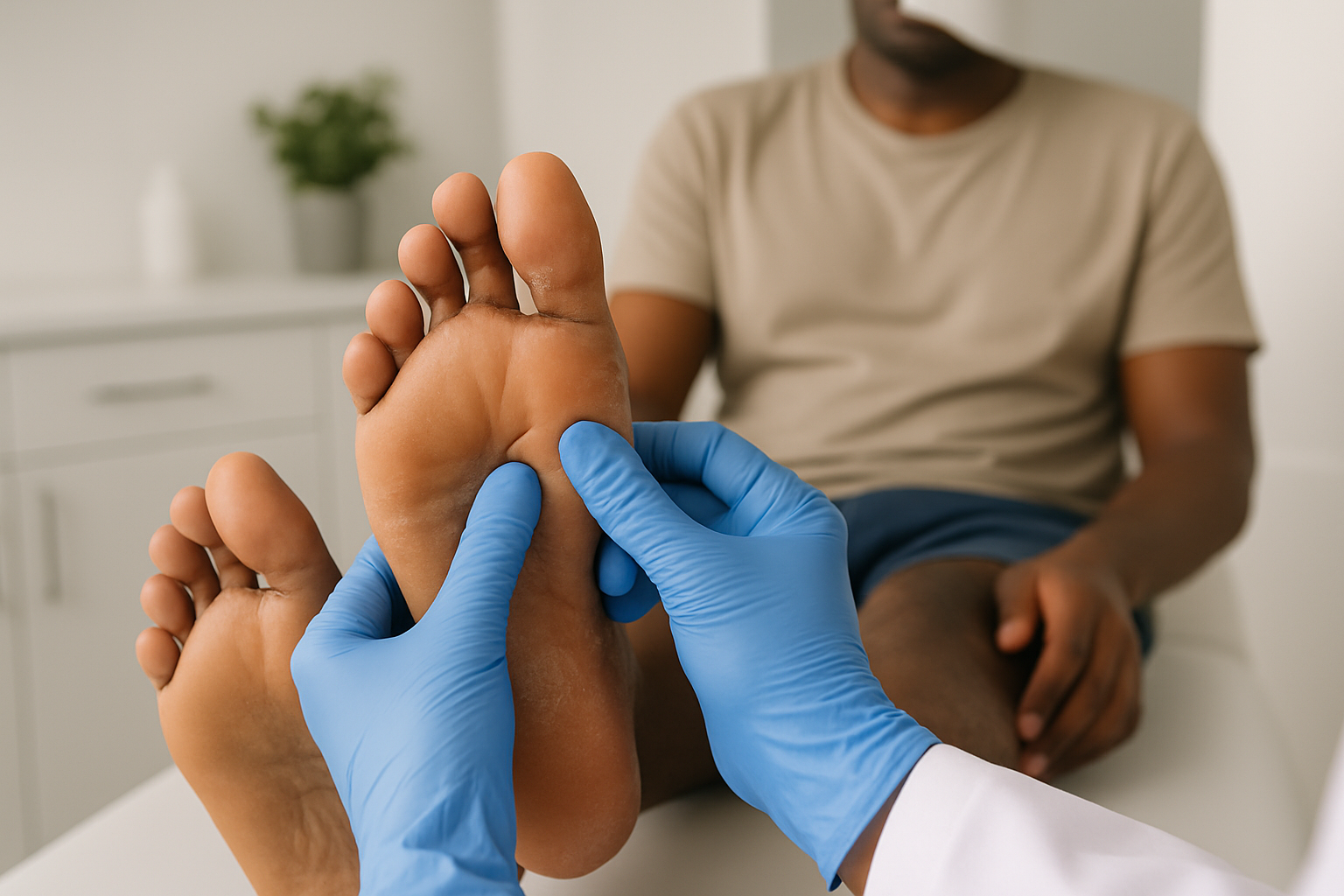
Athlete’s foot is a common fungal infection that affects the skin on the feet, often causing discomfort and itchiness. Understanding athletes foot treatment, as well as recognizing athletes foot symptoms and causes, can help manage the condition effectively and reduce the risk of recurrence. This article provides a detailed overview of athlete’s foot, emphasizing evidence-based treatment options and patient safety.
Quick Summary of Athletes Foot Treatment
Athlete’s foot is a fungal infection mainly involving the skin between the toes and soles of the feet. Typical symptoms include itching, redness, and peeling skin. Causes include exposure to fungi in warm, moist environments. Athletes foot treatment often involves antifungal medications and proper foot hygiene. Early diagnosis and management can help prevent complications and spread.
What Is Athlete Foot?
Athlete’s foot, medically known as tinea pedis, is a fungal infection caused by dermatophytes, a group of fungi that thrive on keratin found in skin, hair, and nails. It primarily affects the feet, especially the spaces between the toes, though it can sometimes spread to other areas. The condition is common worldwide and tends to occur more frequently in warm, humid environments. Diagnosis is typically clinical, based on the appearance of the skin and symptoms, but may be confirmed with microscopic examination or culture in uncertain cases.
Athletes Foot Symptoms
The usual clinical presentation of athlete’s foot includes itching, scaling, redness, and cracking of the skin between the toes or on the soles of the feet. Some individuals may notice blisters or lesions, although these are less common. It is important to note that severity can vary, and some people experience mild irritation while others have more pronounced symptoms. In some cases, athlete’s foot can be present with minimal or no symptoms, especially in early stages. Symptoms alone are insufficient for diagnosis and require clinical assessment.
Athletes Foot Causes and Risk Factors
Athlete’s foot results from an infection by dermatophyte fungi that invade the superficial layers of the skin. These fungi can be found in warm, moist places such as locker rooms, swimming pools, and communal showers. Risk factors that increase the likelihood of developing athlete’s foot include:
- Walking barefoot in public moist areas
- Wearing tight, non-breathable footwear
- Excessive sweating of the feet (hyperhidrosis)
- Sharing towels, shoes, or socks with others
- Having a weakened immune system or diabetes
Modifiable factors largely involve hygiene and footwear choices, while non-modifiable factors include underlying health conditions.
How It Is Diagnosed
Diagnosis of athlete’s foot often relies on physical examination and patient history, focusing on characteristic signs and symptom patterns. In unclear cases, a clinician may perform a skin scraping for microscopic examination using potassium hydroxide (KOH) preparation to identify fungal elements. Fungal culture may be conducted if diagnosis remains uncertain or treatment failure occurs. Routine laboratory testing or imaging is not required for typical presentations.
Athletes Foot Treatment Options
Effective athletes foot treatment depends on factors such as the extent of infection, symptoms severity, and patient-specific considerations including comorbidities. The primary goal is to eradicate the fungal infection and relieve symptoms while preventing recurrence.
Lifestyle Treatment
Maintaining good foot hygiene is an essential part of athletes foot treatment. This includes keeping the feet clean and dry, changing socks regularly, and wearing breathable footwear. Avoiding walking barefoot in communal moist areas can reduce fungal exposure. Using antifungal powders or sprays as preventive measures in shoes and on feet may help in some cases.
Medication Treatment
Topical antifungal agents—such as clotrimazole, terbinafine, or miconazole—are commonly used for athletes foot treatment. These medications work by inhibiting fungal growth. Treatment duration typically ranges from 2 to 4 weeks, depending on the agent and clinical response. In more extensive or resistant cases, a healthcare provider may consider systemic antifungal therapy. Medication choice and treatment plan should be individualized by a healthcare clinician based on assessment.
Monitoring and Follow-Up
Monitoring athletes foot treatment response involves assessing symptom improvement and skin healing over time. Patients are generally advised to complete the full course of antifungal treatment even if symptoms resolve earlier, to reduce the chance of recurrence. Follow-up with a healthcare provider may be necessary if symptoms worsen, do not improve, or if new areas become affected. Attention to persistent or recurrent infection is important for preventing complications.
Lifestyle and Self-Care
Supportive self-care measures include thoroughly drying feet after bathing, particularly between the toes, and rotating shoes to allow them to dry out. Using separate towels for feet and avoiding sharing footwear or socks helps limit spread. Patients should inspect their feet regularly for any new or worsening signs and seek medical attention if needed. Self-care complements medical treatment and is important for prevention but is not a substitute for professional evaluation.
When to Seek Emergency Care
Although athlete’s foot is generally not an emergency, certain signs warrant prompt medical evaluation. These include increasing redness, swelling, warmth, severe pain, or the presence of pus which could indicate a bacterial superinfection. Fever or systemic symptoms alongside foot infection require urgent evaluation. If sudden worsening or complications occur, seek emergency care immediately.
How Telemedicine May Help with Athletes Foot Treatment
Telemedicine through providers like MYMDPHONE can assist with routine evaluation of athlete’s foot symptoms, medication management, and education on proper foot care. Virtual consultations may be appropriate when symptoms are mild to moderate and there are no signs of serious infection. Telemedicine facilitates timely access to care while avoiding unnecessary clinic visits. However, in-person evaluation is necessary if symptoms worsen, do not improve, or signs of bacterial infection develop. For urgent foot care needs, MYMDPHONE Virtual Urgent Care is a convenient option.
Key Takeaways for Athletes Foot Treatment
- Athlete’s foot is a common fungal infection affecting feet that requires proper diagnosis and athletes foot treatment.
- Effective treatment includes topical antifungal medications combined with good foot hygiene.
- Patients should seek medical care if symptoms persist, worsen, or show signs of bacterial infection.
For more detailed information on treatment and management, see the CDC — Treatment of Ringworm and American Academy of Dermatology — Ringworm Diagnosis and Treatment.
Frequently Asked Questions
What causes athlete's foot?
Athlete’s foot is caused by fungal infections, primarily dermatophytes, that thrive in warm, moist environments such as locker rooms or sweaty footwear.
How can I prevent athlete's foot?
Prevention includes keeping feet clean and dry, wearing breathable shoes, changing socks frequently, and avoiding walking barefoot in communal moist areas.
Is athlete's foot contagious?
Yes, athlete’s foot can spread through direct contact with infected skin or by sharing contaminated shoes, socks, or towels.
Can athlete's foot go away without treatment?
Mild cases may resolve on their own, but treatment with antifungal medications often speeds healing and helps prevent recurrence.
When should I see a doctor for athlete's foot?
Seek medical evaluation if symptoms worsen, spread, persist despite self-care, or if you notice signs of bacterial infection such as redness, swelling, or pus.
Can athlete's foot spread to other body parts?
While less common, the infection can spread to other skin areas or nails if not treated properly.
References
- Centers for Disease Control and Prevention — Treatment of Ringworm
- American Academy of Dermatology — Ringworm Diagnosis and Treatment
- American Academy of Dermatology