Medical review: Dr. Lakhbir Madahar, Internal Medicine Physician
Hypertension, or high blood pressure, often develops without symptoms but poses important health risks if left untreated. Effective hypertension treatment managing high blood pressure symptoms safely involves accurate diagnosis, individualized care, lifestyle changes, and sometimes medication. Telemedicine can support ongoing management but certain situations require in-person evaluation. This article explains what patients should know about managing hypertension safely and effectively.
Quick Summary
High blood pressure is typically asymptomatic but increases cardiovascular risk. Diagnosis depends on repeated, accurately measured blood pressure readings. Treatment involves lifestyle modifications and, when appropriate, medications tailored to individual health factors. Telemedicine can assist with routine care but emergencies require immediate in-person attention.
What Patients Should Know About Effective Hypertension Treatment: Managing High Blood Pressure Symptoms Safely Hypertension is when the blood exerts higher pressure than normal on arterial walls, generally defined by systolic blood pressure readings consistently at or above 130 mm Hg or diastolic readings at or above 80 mm Hg, though targets vary by guideline and patient context. Persistently elevated blood pressure strains the heart and vessels, raising the risks of heart attack, stroke, kidney disease, and other complications. Since hypertension most often causes no symptoms on its own, diagnosing it requires carefully measured blood pressure over multiple visits or through validated home or ambulatory monitoring to confirm sustained elevation. Hypertension severity, existing cardiovascular risks, age, related conditions, and medication responses guide treatment decisions.
Symptoms Most individuals with hypertension do not experience direct symptoms related to high blood pressure itself. Common complaints such as headaches, fatigue, or dizziness are nonspecific and insufficient to diagnose hypertension. However, markedly elevated blood pressure can sometimes cause symptoms, particularly when complications arise or in cases of hypertensive emergencies. Signs such as chest pain, shortness of breath, sudden severe headache, vision changes, weakness, confusion, or difficulty speaking suggest urgent conditions requiring emergency care.
Causes and Risk Factors Hypertension results from a complex interaction of genetic and environmental factors. Risk factors include:
Non-modifiable: age (risk increases with age), family history, and certain racial/ethnic backgrounds.Modifiable: excessive dietary sodium, physical inactivity, overweight and obesity, high alcohol consumption, tobacco use, chronic stress, poor sleep quality, and underlying medical conditions like chronic kidney disease or hormonal disorders. Addressing modifiable factors can significantly aid blood pressure control.
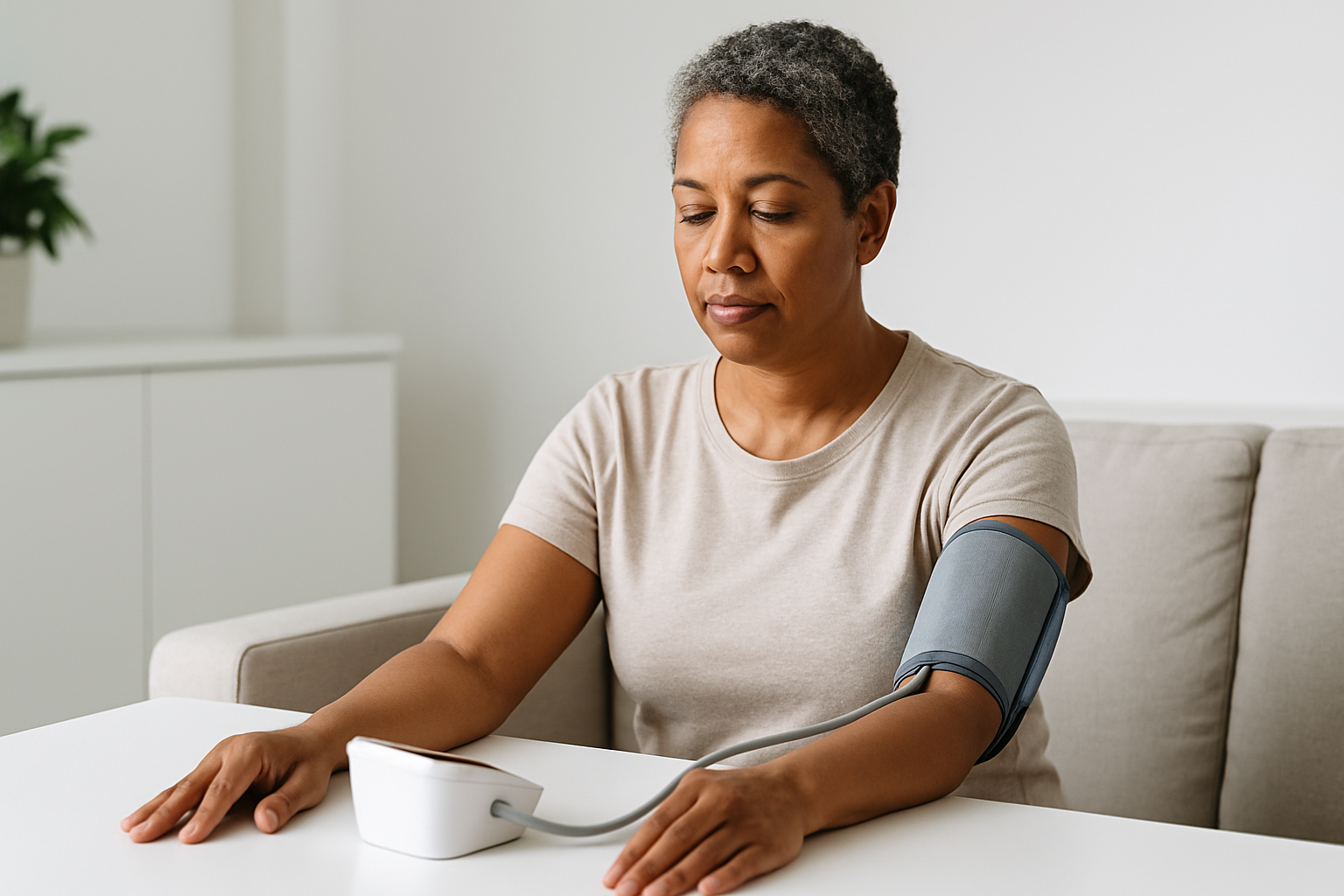
How It Is Diagnosed Accurate diagnosis of hypertension depends on proper blood pressure measurement techniques, including resting before measurement, using an appropriately sized cuff, and repeated readings taken on multiple occasions. Home blood pressure monitoring or 24-hour ambulatory monitoring may improve accuracy and help differentiate sustained hypertension from white coat or masked hypertension. Clinical evaluation also includes history-taking to assess cardiovascular risk and comorbidities, and laboratory tests or imaging may be indicated based on individual factors to evaluate organ function and identify secondary causes.
Treatment Options Treatment aims to lower blood pressure to safe levels to reduce risks of cardiovascular events and organ damage. Decisions rely on blood pressure level, overall cardiovascular risk, age, presence of other health conditions (such as diabetes or kidney disease), and patient preferences. Treatment usually includes:
Lifestyle Treatment
Reducing sodium intake to less than 2,300 mg per day (or lower as advised)
Following a heart-healthy diet rich in fruits, vegetables, whole grains, and low-fat dairy
Engaging in regular aerobic physical activity, such as at least 150 minutes per week
Maintaining a healthy weight or promoting gradual weight loss if overweight
Limiting alcohol to moderate levels (up to one drink per day for women and two for men)
Quitting tobacco use
Managing stress through relaxation techniques and adequate sleep
While lifestyle changes are fundamental, they may not be sufficient alone for all patients.
Medication Treatment When lifestyle measures do not achieve blood pressure goals or when hypertension is severe, medication is typically recommended. Several drug classes are used, including:
Diuretics (helping kidneys eliminate excess sodium and water)
ACE inhibitors and ARBs (relaxing blood vessels and reducing strain on the heart)
Calcium channel blockers (relaxing artery muscles)
Beta blockers (reducing heart rate and output)
A healthcare provider determines the best medication or combination based on the patient’s overall health, side effect profiles, and potential interactions.
Monitoring and Follow-Up Regular monitoring of blood pressure is essential to evaluate treatment effectiveness and ensure safety. Home blood pressure monitoring can be part of ongoing care when performed correctly. Follow-up visits allow adjustments to medications and reassessment of risk factors or symptoms. Laboratory tests may be monitored periodically, especially when taking certain medications, to check kidney function and electrolyte levels. Patients should communicate any side effects or concerns to their healthcare provider. Advanced symptoms or changes may require timely in-person evaluation.
Lifestyle and Self-Care Self-care supports clinical treatment and includes consistent adherence to prescribed medications and lifestyle recommendations. Accurate home blood pressure measurements using validated devices can provide useful information but should be reviewed with a healthcare provider. Avoiding excessive caffeine and managing emotional stress may contribute to blood pressure stability. Self-care should complement, not replace, professional medical oversight.
When to Seek Emergency Care
Seek immediate emergency care if you experience symptoms such as severe chest pain, sudden difficulty breathing, loss of consciousness, sudden severe headache, confusion, sudden weakness or numbness, difficulty speaking, or vision loss. These may signal hypertensive crisis or related life-threatening complications.
Can Effective Hypertension Treatment: Managing High Blood Pressure Symptoms Safely Be Evaluated Through Telemedicine? Telemedicine services like MYMDPHONE provide accessible care for ongoing hypertension management, including initial evaluations, medication reviews, patient education, and advice on lifestyle modifications. Virtual visits can help monitor symptoms and medication side effects. However, diagnosis requires accurate blood pressure measurements, sometimes including home monitoring with validated devices. Situations needing urgent or advanced diagnostic evaluation, new or severe symptoms, or suspected hypertensive emergencies warrant in-person care. MYMDPHONE’s online internal medicine doctors are available to support patients in Nevada, Alaska, and New York. This service is open 7 days a week for $79 cash pay visits, with insurance acceptance potentially available in Nevada. Treatment and prescription decisions are made only when clinically appropriate after thorough evaluation.
Start a MYMDPHONE Visit for Effective Hypertension Treatment: Managing High Blood Pressure Symptoms Safely
Begin your telemedicine visit for thorough evaluation and management of high blood pressure symptoms. MYMDPHONE online internal medicine doctors in Nevada, Alaska, and New York are available seven days a week to provide convenient virtual care. Visits cost $79 cash pay, with insurance options available for eligible patients in Nevada. Treatment and prescriptions are provided only if medically appropriate.
Start Your Effective Hypertension Treatment: Managing High Blood Pressure Symptoms Safely Visit Online
Related MYMDPHONE resources: MYMDPHONE Online Doctor in Nevada .
For additional evidence-based information, see NHLBI — High Blood Pressure and CDC — About High Blood Pressure .
Key Takeaways
Hypertension usually causes no symptoms and requires accurate repeated blood pressure measurements for diagnosis.
Treatment includes personalized lifestyle changes and, when needed, medications to lower cardiovascular risk safely.
Telemedicine through MYMDPHONE offers convenient access to ongoing care while reserving in-person visits for urgent or complex needs.
Frequently Asked Questions
What symptoms indicate I might have high blood pressure?
Hypertension usually does not cause symptoms. Diagnosis is based on repeated blood pressure measurements, not symptoms alone.
How is high blood pressure diagnosed?
Accurate blood pressure readings over multiple visits or using validated home or ambulatory monitors confirm hypertension diagnosis.
Can I manage high blood pressure without medication?
Lifestyle changes like diet and exercise are important but some patients will also require medication depending on their health risk and blood pressure levels.
When should I seek emergency care for high blood pressure?
Immediate care is needed if you develop severe chest pain, difficulty breathing, sudden weakness, confusion, severe headache, or vision changes.
Can telemedicine handle my hypertension care?
Telemedicine can support routine management, medication review, and education but cannot replace emergency care or certain in-person evaluations.
Medical Disclaimer
This content is for general educational purposes and is not a substitute for individualized medical advice, diagnosis, or treatment. Reading this page does not establish a physician-patient relationship. If you may be experiencing a medical emergency, call 911 or go to the nearest emergency department.