Medical review: Dr. Lakhbir Madahar, Internal Medicine Physician
COVID-19 treatment depends on the severity of your symptoms and risk factors. Many people with mild COVID-19 manage symptoms at home with supportive care, while more severe cases may require medical evaluation and specialized treatments. Telemedicine can help assess your condition, guide testing, and provide advice on managing COVID-19 safely.
Quick Summary
COVID-19 varies from no symptoms to severe illness. Typical symptoms include fever, cough, and fatigue. Diagnosis is confirmed by testing. Treatment ranges from rest and symptom relief for mild cases to antiviral medications or hospitalization for severe illness. Telemedicine, like MYMDPHONE, can offer safe evaluation and guidance for COVID-19 treatment, but emergency symptoms need immediate in-person care.
What Patients Should Know About COVID-19 COVID-19 is an infectious disease caused by the SARS-CoV-2 virus. It spreads mainly through respiratory droplets and close person-to-person contact. Symptoms vary widely; some people have no symptoms, while others develop severe respiratory illness. Recognizing when to seek care and understanding COVID-19 treatment options are critical to managing the disease safely.
Symptoms Common symptoms of COVID-19 include fever, cough, shortness of breath, muscle aches, sore throat, and fatigue. Some individuals may experience loss of taste or smell. Mild cases may resemble a cold or flu, while severe cases can lead to difficulty breathing and pneumonia. It is important to remember that some people with COVID-19 have no symptoms but can still spread the virus.
Causes and Risk Factors COVID-19 is caused by infection with the SARS-CoV-2 virus. Risk of infection increases with close contact to infected individuals, especially in crowded or enclosed spaces. Certain factors increase risk for severe illness, including age over 65, underlying health conditions such as heart or lung disease, diabetes, and weakened immune systems. Preventive measures like vaccination reduce risk.
How It Is Diagnosed COVID-19 diagnosis usually involves testing respiratory samples using molecular tests (PCR) or rapid antigen tests. A clinical evaluation includes reviewing symptoms and exposure history. Testing confirms diagnosis but is guided by symptom onset and exposure risk. Repeat testing or further evaluation may be needed depending on the clinical situation.
COVID-19 Treatment Options Treatment varies depending on symptom severity and patient risk factors. Mild cases typically require supportive care, while moderate to severe cases may need antiviral medications, oxygen therapy, or hospitalization.
Lifestyle Treatment Supportive care includes resting, staying hydrated, using over-the-counter fever reducers and pain relievers, and isolating to prevent transmission. Close monitoring of symptoms is advised to detect any worsening condition.
Medication Treatment Medications such as antiviral agents may be considered for certain patients at risk of severe disease, ideally under clinician guidance. Use of steroids or other treatments depends on clinical assessment and severity. Medication choice and timing are individualized decisions made by healthcare providers.
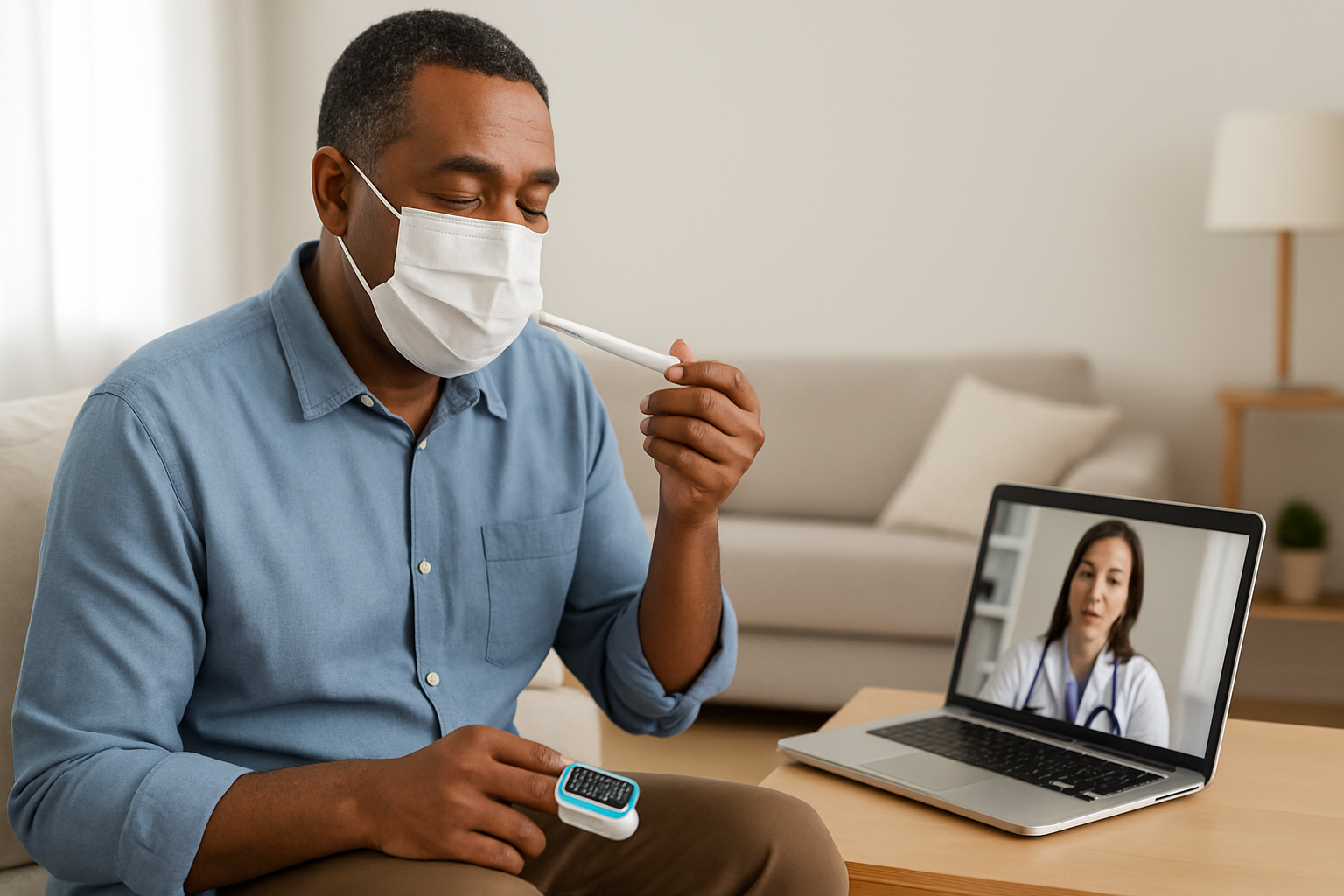
Monitoring and Follow-Up Patients with COVID-19 should monitor symptoms daily, including temperature and respiratory status. Follow-up care can occur via telemedicine to assess recovery or worsening symptoms. People at higher risk may require closer clinical supervision or in-person evaluation. Escalation of care is necessary if symptoms worsen.
Lifestyle and Self-Care Home isolation, adequate rest, proper hydration, and symptom management help support recovery. Avoiding contact with others and following public health guidelines reduces transmission risk. Self-care is valuable but does not replace medical evaluation for concerning symptoms.
When to Seek Emergency Care
Seek immediate medical attention if you experience difficulty breathing, persistent chest pain, new confusion, inability to wake or stay awake, or bluish lips or face. These signs may indicate severe COVID-19 and require urgent evaluation in-person or emergency services.
Can COVID-19 Treatment Be Managed Through Telemedicine? Telemedicine is well-suited for initial assessment, monitoring symptoms, medication management, and patient education related to COVID-19 treatment. MYMDPHONE provides virtual care with Dr. Lakhbir Madahar, an internal medicine physician, who can guide when testing or in-person evaluation is needed. Telemedicine cannot replace emergency care but can reduce exposure risks for routine evaluation.
Start a MYMDPHONE Visit for COVID-19 Treatment
MYMDPHONE offers telemedicine visits for COVID-19, open 7 days a week. Visits are $79 cash pay, with insurance options available for eligible patients in Nevada. Consult with Dr. Lakhbir Madahar for assessment, guidance, and treatment when appropriate. Treatment and prescriptions are provided only when clinically suitable.
Start Your COVID-19 Treatment Visit Online
Related MYMDPHONE resources: MYMDPHONE Online Doctor in Nevada .
Key Takeaways
COVID-19 symptoms range from none to severe respiratory illness.
COVID-19 treatment options include supportive care, antivirals, and hospitalization depending on severity.
Telemedicine can safely support COVID-19 treatment and management, but emergencies require in-person care.
Frequently Asked Questions
What should I do if I think I have COVID-19?
If you suspect COVID-19 infection, monitor your symptoms closely and consider getting tested. For mild symptoms, a telemedicine visit with an online doctor like MYMDPHONE can help assess your condition and advise next steps.
Can COVID-19 be treated at home?
Many people with mild COVID-19 can manage symptoms at home with rest, hydration, and over-the-counter medications. Close monitoring is important, and worsening symptoms require medical evaluation.
When is emergency care necessary for COVID-19?
Emergency care is necessary if you experience severe symptoms such as difficulty breathing, chest pain, confusion, inability to stay awake, or bluish lips or face. Call 911 or go to the nearest emergency department immediately.
How does telemedicine help with COVID-19 treatment?
Telemedicine allows virtual evaluation by a healthcare provider who can guide testing, prescribe treatments when appropriate, monitor symptoms, and provide education while reducing exposure risk.
Are antibiotics effective for COVID-19?
No, antibiotics do not treat viral infections like COVID-19. They are only used if a bacterial infection develops as a complication and must be prescribed by a healthcare provider.
Medical Disclaimer
This content is for general educational purposes and is not a substitute for individualized medical advice, diagnosis, or treatment. Reading this page does not establish a physician-patient relationship. If you may be experiencing a medical emergency, call 911 or go to the nearest emergency department.
References
Centers for Disease Control and Prevention: COVID-19 Overview and Treatment
National Institutes of Health: COVID-19 Treatment Guidelines
American Academy of Family Physicians: COVID-19 Patient Management