Written by: MYMDPHONE Editorial TeamMedically reviewed by: Lakhbir Madahar, MD
Board-Certified Internal Medicine Physician · NPI 1780119834
Clinical experience in hospital medicine, intensive care, primary care and telemedicine
Last medically reviewed: 2026-09-18
MYMDPHONE availability: Virtual care is available to eligible patients who are physically located in Nevada, Alaska or New York at the time of the visit. Nevada patients may use eligible insurance coverage or the $79 self-pay option. Alaska and New York visits are $79 self-pay. Availability, insurance coverage and the appropriate care setting vary by patient and condition.Indigestion, also known as dyspepsia, involves discomfort or pain in the upper abdomen often linked to eating or digestion. Its causes vary from temporary digestive upset to more significant conditions like acid reflux or gastritis. Understanding appropriate indigestion treatment and when to seek medical evaluation is important for managing symptoms safely and effectively. This article covers what indigestion is, common symptoms, causes, diagnosis, treatment options, and how telemedicine can support care.
Quick Summary Indigestion typically presents as upper abdominal pain, fullness, or burning after meals. Causes include acid reflux, gastritis, or functional dyspepsia without clear organic disease. Treatment involves lifestyle modifications and, when necessary, medications to reduce stomach acid or improve digestion. Many patients can begin evaluation and management with a virtual doctor like those at MYMDPHONE. However, severe or persistent symptoms should prompt in-person medical assessment.
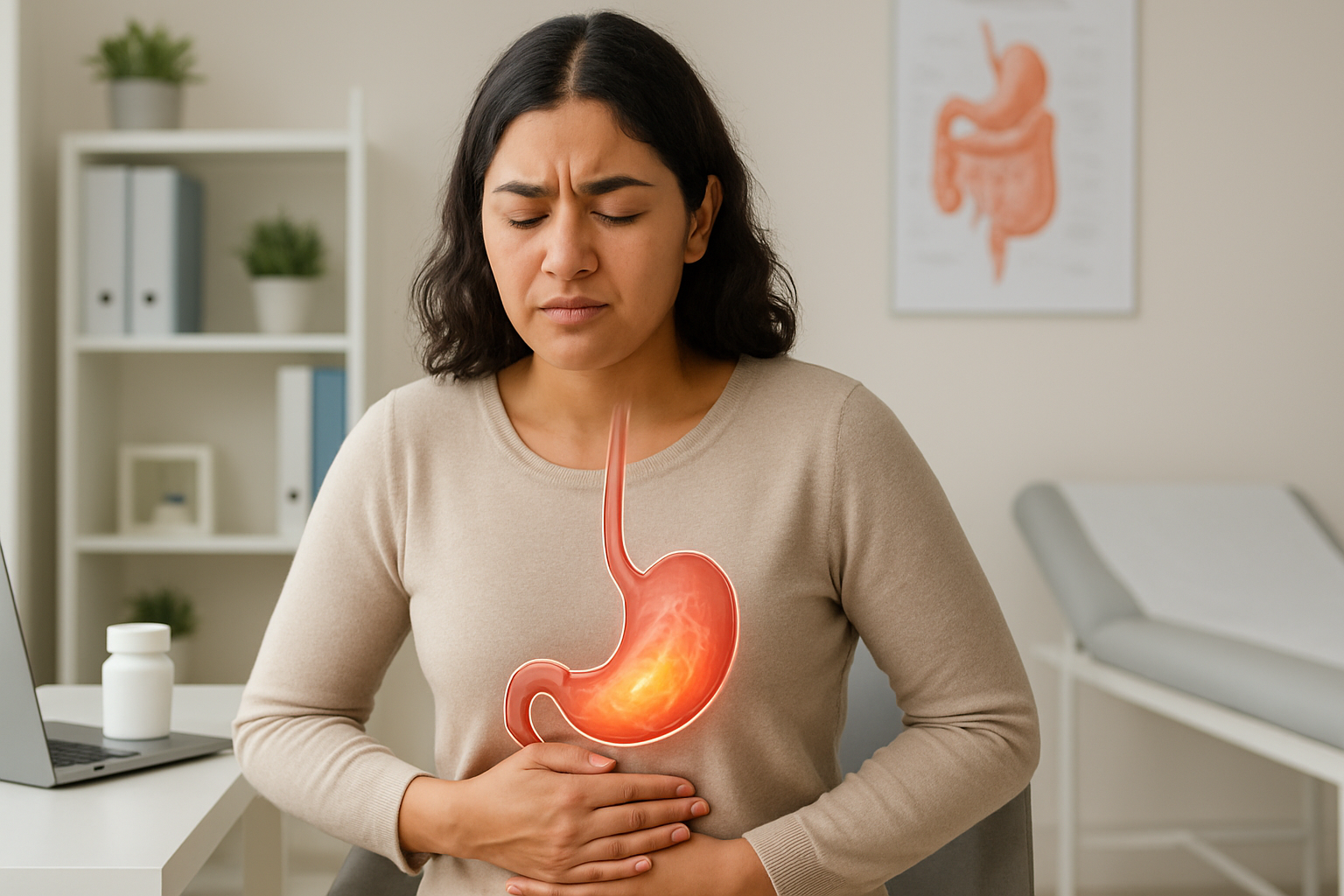
What Patients Should Know About Indigestion Treatment Indigestion is a symptom rather than a specific disease. It refers to discomfort or pain centered in the upper abdomen related to digestion. Patients may describe it as a burning sensation, pressure, bloating, or nausea following meals. Causes range from mild, transient digestive disturbances to disorders like gastroesophageal reflux disease (GERD), peptic ulcers, or stomach inflammation (gastritis). In some cases, no obvious cause is found, a condition called functional dyspepsia.
Symptoms Common features of indigestion include:
Upper abdominal discomfort or pain Early fullness during meals or feeling unusually full afterward Bloating or sensation of pressure Nausea or burping Systemic signs such as fever, unexpected weight loss, or severe vomiting are not typical and may indicate a more serious condition requiring prompt evaluation. Indigestion symptoms alone cannot confirm a specific diagnosis without careful clinical assessment.
Causes and Risk Factors Indigestion can result from various conditions affecting the stomach or esophagus:
Functional dyspepsia: Symptom of indigestion without detectible structural disease.Gastroesophageal reflux disease (GERD): Acid reflux causing irritation or inflammation of the esophagus or stomach lining.Peptic ulcers: Sores in the stomach or duodenum, often related to infection with Helicobacter pylori or use of certain medications like nonsteroidal anti-inflammatory drugs (NSAIDs).Gastritis: Inflammation of the stomach lining due to infection, medications, alcohol use, or other causes.Medications: Some drugs may irritate the stomach lining or contribute to symptoms.Lifestyle factors: Large meals, high-fat or spicy foods, alcohol, smoking, caffeine, and stress can worsen indigestion.Risk factors include both modifiable elements like diet and smoking, and non-modifiable factors such as age and Helicobacter pylori infection.
How It Is Diagnosed Diagnosis begins with a thorough review of symptoms, medical history, medication use, and risk factors. Telemedicine doctors can gather this information during a virtual visit. Identifying alarm features like significant weight loss, bleeding, persistent vomiting, or swallowing difficulties guides the need for in-person evaluation.
Diagnostic tests may be recommended based on clinical judgment, including:
Tests for Helicobacter pylori infection Blood tests if anemia or other systemic conditions are suspected Upper endoscopy to directly examine the esophagus and stomach in cases of severe, prolonged, or concerning symptoms Imaging studies if gallbladder disease or other specific causes are suspected Not all patients require extensive testing; many diagnoses are made based on clinical evaluation.
Treatment Options Effective indigestion treatment depends on the underlying cause, symptom severity, and patient factors. Treatment goals focus on symptom relief and addressing contributing conditions.
Lifestyle Treatment Avoid large, fatty, or spicy meals that may trigger symptoms. Limit or avoid alcohol, caffeine, and tobacco use. Eat smaller, more frequent meals instead of large portions. Wait at least 2-3 hours before lying down after eating to prevent acid reflux. Manage stress through relaxation techniques such as meditation or breathing exercises. Medication Treatment When lifestyle changes are insufficient, medications may be used under clinical supervision:
Antacids: Neutralize stomach acid for rapid symptom relief.H2 receptor antagonists: Reduce acid production in the stomach.Proton pump inhibitors (PPIs): Stronger acid suppression for longer duration.Prokinetic agents: Occasionally used to enhance digestive motility.The choice of medication depends on individual clinical assessment. Medication use should be guided by a healthcare provider considering benefits, risks, and patient preferences.
Monitoring and Follow-Up Patients should monitor symptom changes and report new or worsening signs to their healthcare provider. Follow-up visits, including virtual appointments, can reassess symptoms, modify treatment plans, or arrange further testing if needed. Persistent or alarm symptoms require prompt in-person evaluation.
Lifestyle and Self-Care Supportive self-care measures may improve comfort and reduce symptom frequency. Keeping a symptom and food diary can help identify triggers. While helpful, these do not replace necessary medical evaluation and treatment where indicated.
When to Seek Emergency Care Immediate medical attention is necessary if you experience:
Severe, persistent upper abdominal pain Vomiting blood or material resembling coffee grounds Black or tarry stools suggesting gastrointestinal bleeding Unintended significant weight loss Difficulty swallowing or inability to keep fluids down These signs may indicate serious complications requiring urgent in-person evaluation.
Can Indigestion Treatment Be Evaluated Through Telemedicine? Many indigestion cases are well-suited for virtual evaluation with an online internal medicine doctor at MYMDPHONE. Telemedicine visits enable review of symptoms and medical history, guidance on lifestyle, and medication management when appropriate. Telemedicine providers can determine if testing or referrals are necessary and advise when in-person care is safer.
Patients with alarm symptoms or worsening pain should seek immediate in-person care. Telemedicine complements but does not replace emergency services.
Start a MYMDPHONE Visit for Indigestion Treatment: What You Need to Know MYMDPHONE offers telemedicine visits for indigestion treatment to patients physically located in Nevada, Alaska, and New York. Our virtual doctors, including Dr. Lakhbir Madahar, internal medicine physician, can assess your symptoms and discuss management options. We offer 24/7 availability, with visits priced at $79 cash pay. Eligible Nevada patients may use insurance. Prescriptions and treatment will only be provided when clinically appropriate.
Start Your Indigestion Treatment: What You Need to Know Visit Online
Key Takeaways Indigestion causes upper abdominal discomfort often related to digestive system issues. Treatment focuses on lifestyle changes and may include medications guided by a healthcare provider. Telemedicine can provide safe, effective evaluation for most indigestion cases, with in-person care needed for severe or worrying symptoms. Learn more about virtual care with an online doctor in Nevada , telemedicine care in Alaska , or a virtual doctor in New York .
Frequently Asked Questions What lifestyle changes can help with indigestion? Eating smaller meals, avoiding fatty or spicy foods, limiting alcohol and tobacco, not lying down soon after eating, and managing stress can help reduce indigestion symptoms.
When should I see a doctor for indigestion? You should consult a healthcare provider if indigestion symptoms are frequent, worsen, or if you experience concerning signs like weight loss, vomiting, difficulty swallowing, or bleeding.
Can indigestion indicate a serious condition? While often benign, persistent or severe indigestion may signal conditions such as ulcers or acid reflux that require medical evaluation.
Is telemedicine appropriate for indigestion treatment? Yes, many indigestion cases can be effectively evaluated and managed through telemedicine, but severe or alarming symptoms require in-person care.
Are tests always needed to diagnose indigestion? Not always. Diagnosis can often be made based on symptoms and history, though some patients may need tests like endoscopy or infection screening based on clinical findings.
Medical Disclaimer This content is for general educational purposes and is not a substitute for individualized medical advice, diagnosis, or treatment. Reading this page does not establish a physician-patient relationship. If you may be experiencing a medical emergency, call 911 or go to the nearest emergency department.
References American College of Gastroenterology – Digestive Health Guidelines Editorial disclosure: AI-assisted tools supported drafting and organization. Lakhbir Madahar, MD reviewed and approved the clinical content in this exact version.