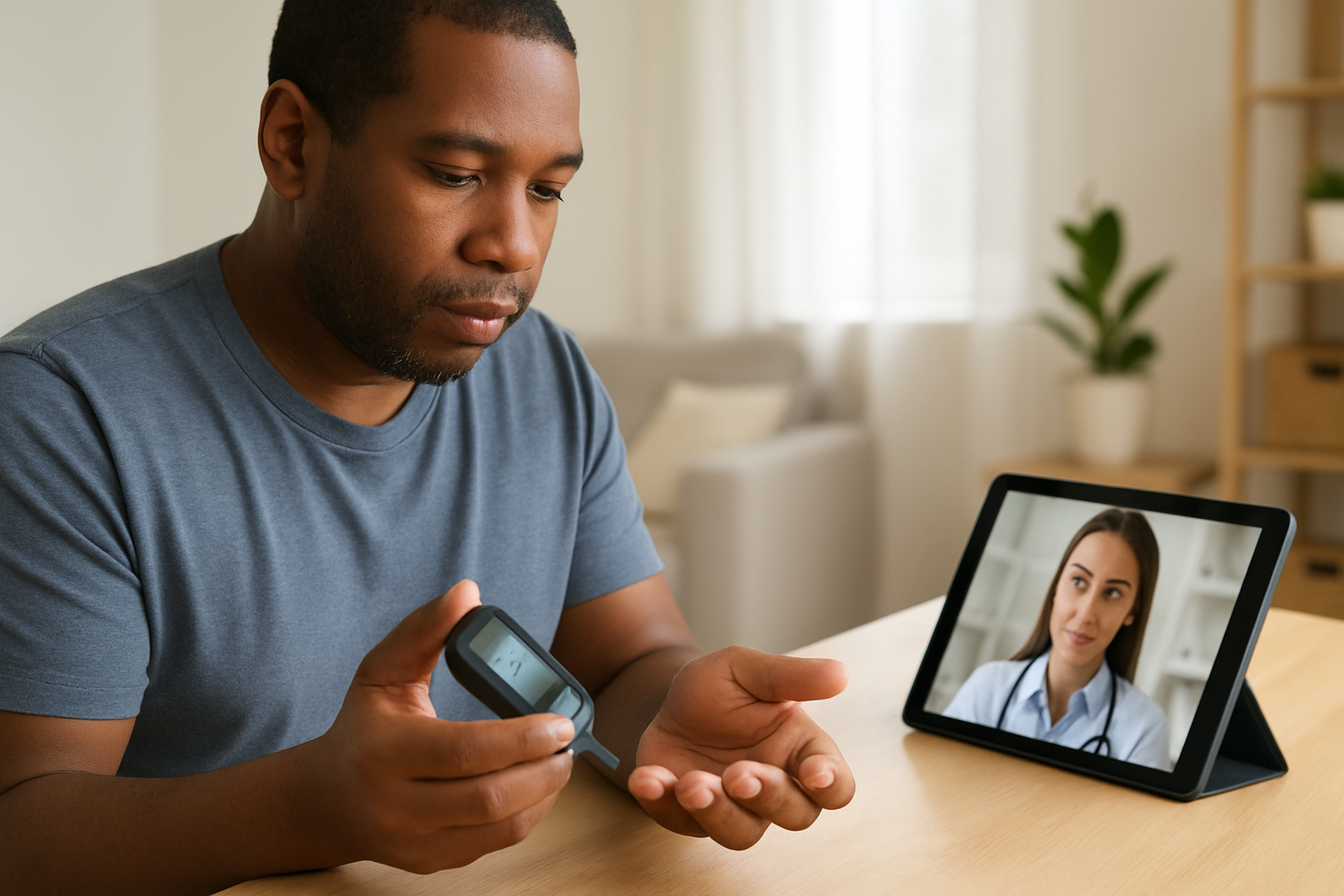
Medical review: Dr. Lakhbir Madahar, Internal Medicine PhysicianBlood sugar monitoring treatment involves tracking and managing glucose levels to maintain them within a healthy range. This process is critical for individuals with diabetes or at risk of blood sugar imbalances to prevent complications. This article reviews blood sugar monitoring treatment options, how to approach blood sugar control, and when a telemedicine visit with a qualified provider like MYMDPHONE may be appropriate.
Quick Summary
Blood sugar monitoring treatment centers on regular glucose measurement and lifestyle or medication adjustments as needed. Safe management includes individualized plans based on clinical status. Telemedicine can support routine monitoring and treatment discussions but some aspects, including initial diagnosis, may require in-person care or testing.
What Patients Should Know About Blood Sugar Monitoring Blood sugar monitoring refers to the process of measuring glucose levels in the blood to help manage conditions like diabetes. Maintaining balanced blood glucose is important to reduce risks of complications such as nerve damage, kidney problems, and cardiovascular disease. Blood sugar monitoring treatment includes regular testing methods and may involve lifestyle changes or medications to keep glucose levels within target ranges defined by healthcare providers.
Symptoms Individuals with blood sugar abnormalities may not always experience symptoms. When symptoms occur, they can include increased thirst, frequent urination, unexplained weight changes, fatigue, or blurry vision, typically associated with high or low blood sugar. However, these manifestations vary and do not confirm diagnosis. Many people rely on monitoring rather than symptoms alone to guide treatment.
Causes and Risk Factors Blood sugar control issues commonly relate to diabetes mellitus, especially type 2 diabetes, where the body’s ability to regulate glucose is impaired. Risk factors include family history, overweight or obesity, physical inactivity, age over 45, and certain ethnic backgrounds. Some causes are non-modifiable while lifestyle changes can modify others.
How It Is Diagnosed Diagnosis of abnormal blood sugar levels typically uses laboratory tests such as fasting blood glucose, oral glucose tolerance tests, or hemoglobin A1c levels, which reflect average glucose over months. Repeated or confirmatory testing is often necessary. Proper diagnosis differentiates transient elevations from chronic diabetes or prediabetes, guiding treatment decisions.
Blood Sugar Monitoring Treatment Options Blood sugar monitoring treatment options depend on individual clinical profiles including glucose levels, cardiovascular risk, other health conditions, and patient preferences. Treatment may consist of lifestyle changes, oral medications, and sometimes insulin.
Lifestyle Treatment Evidence supports lifestyle interventions as foundational in blood sugar management. These include a balanced diet focused on whole grains, vegetables, and lean proteins; regular physical activity; maintaining a healthy weight; smoking cessation; and limiting alcohol intake. Such measures improve blood sugar control and overall health but usually work best combined with clinician guidance.
Medication Treatment When lifestyle changes alone are insufficient, medications may be prescribed. Common classes include metformin, GLP-1 receptor agonists, SGLT2 inhibitors, DPP-4 inhibitors, sulfonylureas, and insulin. The choice and adjustment of medications are personalized by a clinician weighing factors like glucose levels, side effects, and cardiovascular considerations.
Monitoring and Follow-Up Regular blood sugar monitoring is essential to assess treatment effectiveness and guide adjustments. Many patients use home glucose meters or continuous glucose monitors as directed. Follow-up visits, which can be virtual or in-person, allow evaluation of glucose trends, symptom discussion, laboratory tests, and medication review.
Lifestyle and Self-Care Patients are encouraged to adopt consistent self-care practices including proper nutrition, physical activity, and adherence to the monitoring schedule recommended by their healthcare provider. Self-care complements medical treatment but does not replace professional evaluation or necessary adjustments.
When to Seek Emergency Care
Urgent evaluation is required for severe symptoms such as confusion, loss of consciousness, seizures, rapid breathing, persistent vomiting, severe weakness, or inability to keep fluids down. These may indicate dangerously high or low blood sugar levels or diabetic emergencies needing immediate care.
Can Blood Sugar Monitoring Be Evaluated Through Telemedicine? MYMDPHONE offers telemedicine services that can facilitate virtual doctor visits for blood sugar monitoring treatment. Providers can review home glucose records, discuss symptoms, recommend testing or lifestyle changes, and coordinate prescriptions when appropriate. Some situations such as initial diagnosis, urgent symptoms, or the need for physical examination and laboratory testing may require in-person care. MYMDPHONE does not replace emergency services.
Start a MYMDPHONE Visit for Blood Sugar Monitoring
Manage your blood sugar monitoring treatment with MYMDPHONE’s telemedicine care. Open 7 days, visits cost $79 cash pay while insurance may be available for eligible Nevada patients. Our internal medicine physician, Dr. Lakhbir Madahar, evaluates your condition and guides safe treatment. Treatment and prescriptions are provided only when clinically appropriate.
Start Your Blood Sugar Monitoring Visit Online
Learn more about our services at MYMDPHONE Virtual Urgent Care .
For additional evidence-based information, see NIDDK — Type 2 Diabetes .
Key Takeaways
Blood sugar monitoring treatment involves regular glucose checks combined with lifestyle or medication management as needed.
Diagnosis and treatment planning require proper evaluation and individualized clinical assessment.
Telemedicine at MYMDPHONE supports routine blood sugar monitoring care but does not replace in-person or emergency services when necessary.
For authoritative information on type 2 diabetes and blood sugar management, see the CDC’s About Type 2 Diabetes resource.
Frequently Asked Questions
What is the purpose of blood sugar monitoring treatment?
The purpose is to track and manage blood glucose levels to prevent complications related to high or low blood sugar.
Can blood sugar monitoring be done at home?
Yes, many patients use home glucose meters or continuous monitors as part of their management plan, guided by their healthcare provider.
When should I seek emergency care related to blood sugar levels?
Seek emergency care if you experience severe symptoms like confusion, loss of consciousness, seizures, persistent vomiting, or rapid breathing, which can signify a medical emergency.
Is it possible to discuss blood sugar monitoring treatment through telemedicine?
Yes, telemedicine can support routine evaluation, treatment discussions, and prescription management when appropriate, but some cases require in-person care.
What lifestyle changes help with blood sugar monitoring treatment?
Healthy diet, regular physical activity, maintaining a healthy weight, quitting smoking, and limiting alcohol intake can improve blood sugar control.
Medical Disclaimer
This content is for general educational purposes and is not a substitute for individualized medical advice, diagnosis, or treatment. Reading this page does not establish a physician-patient relationship. If you may be experiencing a medical emergency, call 911 or go to the nearest emergency department.