Written by: MYMDPHONE Editorial TeamMedically reviewed by: Lakhbir Madahar, MD
Board-Certified Internal Medicine Physician · NPI 1780119834
Clinical experience in hospital medicine, intensive care, primary care and telemedicine
Last medically reviewed: 2026-09-18
MYMDPHONE availability: Virtual care is available to eligible patients who are physically located in Nevada, Alaska or New York at the time of the visit. Nevada patients may use eligible insurance coverage or the $79 self-pay option. Alaska and New York visits are $79 self-pay. Availability, insurance coverage and the appropriate care setting vary by patient and condition.Athlete’s foot is a fungal infection of the skin on the feet, commonly causing itching, redness, and peeling. Effective athletes foot treatment includes antifungal medications and lifestyle changes to keep feet dry and clean. This article explains symptoms, causes, diagnosis, treatment options, when to seek emergency care, and how telemedicine with MYMDPHONE can support your care safely.
Quick Summary Athlete’s foot, or tinea pedis, is a contagious fungal infection usually affecting the skin between the toes and soles of the feet. It often causes itching, redness, and flaking skin. Diagnosis is primarily clinical, though skin scrapings can confirm diagnosis if needed. Treatment usually involves topical antifungal creams alongside keeping feet dry. In more severe or persistent cases, oral antifungal medications might be prescribed. Good foot hygiene and avoiding exposure to damp communal areas help prevent reinfection. MYMDPHONE telemedicine visits can assist in assessment, treatment, and follow-up, though severe cases require in-person evaluation.
What Patients Should Know About Athlete’s Foot Treatment: Managing Foot Fungus Effectively Athlete’s foot (tinea pedis) is a dermatophyte fungal infection that affects the superficial skin layers on the feet, mostly in warm, moist areas such as between the toes. It is most commonly caused by fungi like Trichophyton rubrum . The infection can cause various skin changes ranging from mild scaling to irritated, cracked, or blistered skin. Anyone can develop athlete’s foot, but it is more common in people who wear closed shoes for long periods, have excessive foot sweating, or are exposed to damp environments like locker rooms.
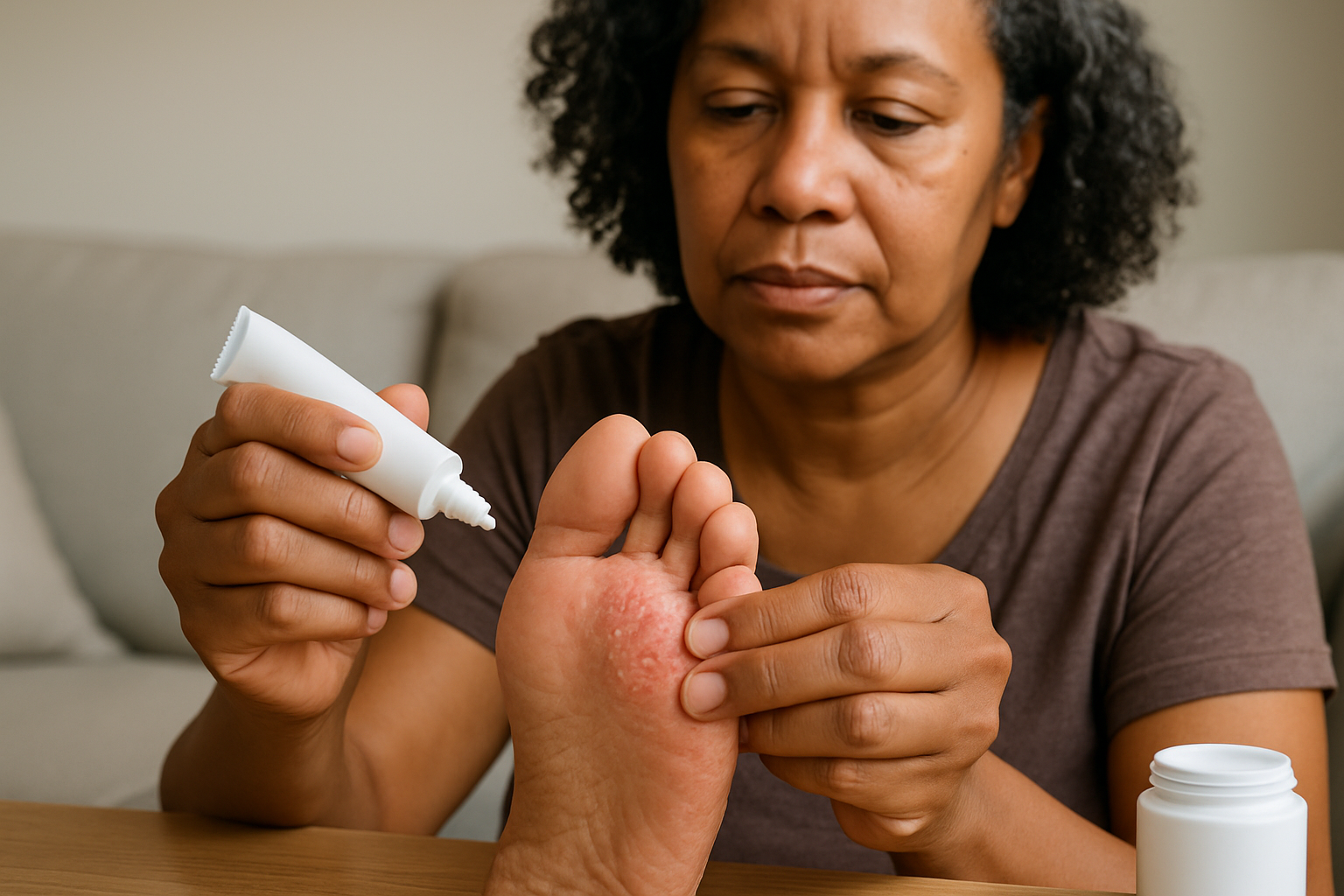
Symptoms Typical symptoms of athlete’s foot include itching, burning, and redness particularly between the toes. The skin may appear scaly or cracked and peeling. Some people experience dry, flaky skin on the soles or sides of the feet. Blister formation might occur but is less common. Severity varies; some individuals have mild symptoms while others may notice more widespread discomfort and skin damage. It is important to recognize that similar symptoms can result from other skin conditions such as eczema or allergic reactions, so professional diagnosis is recommended.
Causes and Risk Factors Dermatophyte fungi thrive in warm, moist environments, which explains why athlete’s foot often develops in sweaty shoes or damp communal areas. Common risk factors include:
Wearing tight, non-breathable footwear that traps moisture Excessive foot sweating (hyperhidrosis) Walking barefoot in public showers, locker rooms, or swimming pools Sharing shoes, socks, or towels with an infected person Previous fungal infections on other parts of the body Personal hygiene practices and the natural anatomy of the feet can influence susceptibility. Avoiding modifiable risk factors reduces chances of infection and recurrence.
How It Is Diagnosed Athlete’s foot diagnosis mainly relies on a clinician’s evaluation of the skin’s appearance and symptoms. When diagnosis is uncertain, or the infection does not improve with initial treatment, a provider may obtain skin scrapings for microscopic exam or fungal culture to identify the causative organism. This testing helps confirm the diagnosis and rule out other disorders such as dermatitis or bacterial infections. Routine laboratory testing is not usually required for straightforward cases.
Treatment Options Treatment focuses on eliminating the fungal infection and preventing recurrence. The choice of therapy depends on how severe and widespread the infection is, symptom intensity, patient age, and other health factors.
Lifestyle Treatment Keep feet clean and dry; wash daily with soap and water and dry thoroughly, especially between toes. Wear moisture-wicking or breathable socks and change socks daily. Choose well-ventilated footwear and rotate shoes to allow drying. Avoid walking barefoot in shared wet areas such as locker rooms and pools. Use antifungal or absorbent powders to reduce moisture buildup. Do not share shoes, socks, or towels with others. These practices support medication effectiveness and help lower risk of future infection.
Medication Treatment Topical antifungal agents are the first-line treatment for athlete’s foot. Common agents include:
Clotrimazole Terbinafine Miconazole Tolnaftate These are usually applied to affected areas once or twice daily for several weeks as instructed by a healthcare professional. For extensive, persistent, or severe infections, oral antifungal medications may be necessary. Medication plans and durations are individualized by clinicians based on the patient’s condition and overall health.
Monitoring and Follow-Up Most patients begin to see symptom improvement within 2-4 weeks of consistent treatment. Continued adherence until the full course is completed helps prevent relapse. If symptoms do not improve, worsen, or if new signs such as increased redness, swelling, pain, or signs of bacterial infection develop, patients should seek re-evaluation. In recurrent cases, a clinician may recommend additional testing or different treatments.
Lifestyle and Self-Care Supporting medical treatment with good foot care helps manage athlete’s foot effectively. Key measures include daily foot hygiene, drying feet thoroughly, using clean socks and shoes, and avoiding environments that encourage fungal growth. While self-care improves outcomes, it is not a substitute for professional evaluation and treatment when infections are persistent or uncertain.
When to Seek Emergency Care Athlete’s foot rarely causes emergencies. Immediate medical attention is warranted if you experience:
Rapidly spreading redness, swelling, warmth, or pain suggesting bacterial skin infection Fever or chills accompanying foot symptoms Open wounds, deep ulcers, or significant secondary infection signs Such complications require urgent in-person evaluation and possibly advanced treatment.
Can Athlete’s Foot Treatment: Managing Foot Fungus Effectively Be Evaluated Through Telemedicine? Telemedicine platforms like MYMDPHONE enable patients to consult with a virtual doctor about athlete’s foot symptoms conveniently. Through video visits or submitted photos, clinicians can assess skin appearance, review medical history, and recommend treatments such as topical antifungals or arrange prescriptions if appropriate. Telemedicine supports patient education, medication management, and follow-up. However, cases with severe symptoms, uncertain diagnosis, or signs of bacterial infection may require in-person evaluation to ensure safety. MYMDPHONE offers telemedicine services in Nevada, Alaska, and New York and is available 24/7 to support your routine care needs.
Start a MYMDPHONE Visit for Athlete’s Foot Treatment: Managing Foot Fungus Effectively Request an online consultation with MYMDPHONE’s virtual doctor to discuss foot fungus symptoms and treatment options. MYMDPHONE is available 24 hours a day, 7 days a week, including weekends and holidays. Visits cost $79 cash pay in Alaska and New York; insurance may be accepted for eligible patients in Nevada. Treatment and prescriptions are provided only when medically appropriate.
Start Your Athlete’s Foot Treatment: Managing Foot Fungus Effectively Visit Online
Related MYMDPHONE resources: MYMDPHONE Online Doctor in Nevada .
For additional evidence-based information, see CDC — Treatment of Ringworm and American Academy of Dermatology — Ringworm Diagnosis and Treatment .
Key Takeaways Athlete’s foot is a common fungal infection causing itching, redness, and peeling skin on the feet. Effective treatment combines antifungal medications tailored by a clinician and lifestyle measures to keep feet dry and clean. Telemedicine with MYMDPHONE can provide accessible evaluation, treatment guidance, and follow-up for uncomplicated cases. Severe symptoms or signs of bacterial infection require immediate in-person medical evaluation. Frequently Asked Questions What is the best way to treat athlete’s foot at home? Keeping your feet clean and dry, wearing breathable socks and shoes, and applying over-the-counter antifungal creams as directed are effective first steps. If symptoms persist, consult a healthcare provider.
Can athlete’s foot be spread to other parts of the body? Yes, the fungal infection can spread to other skin areas such as the groin or nails, especially if left untreated. Proper hygiene and prompt treatment help prevent spread.
Is it safe to use shared showers or pools with athlete’s foot? Using communal wet areas increases risk of fungal exposure; always wear waterproof sandals or shoes in such places and dry your feet promptly afterward.
When should I see a doctor for athlete’s foot? Seek medical evaluation if symptoms are severe, persistent despite treatment, recur frequently, or if you notice increased redness, swelling, pain, or signs of secondary infection.
Can MYMDPHONE virtual doctors prescribe antifungal medications? Yes, MYMDPHONE clinicians can assess your symptoms remotely and prescribe antifungal medications when clinically appropriate during your telemedicine visit.
Medical Disclaimer This content is for general educational purposes and is not a substitute for individualized medical advice, diagnosis, or treatment. Reading this page does not establish a physician-patient relationship. If you may be experiencing a medical emergency, call 911 or go to the nearest emergency department.
Editorial disclosure: AI-assisted tools supported drafting and organization. Lakhbir Madahar, MD reviewed and approved the clinical content in this exact version.